
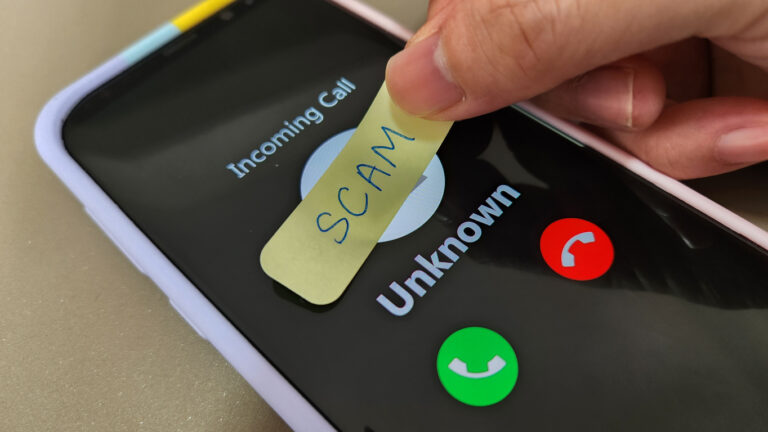
We all know scams are everywhere online—from fake shopping sites to sketchy emails—but not all scams start on the internet. Many now happen through something much more personal: a phone call or text message.
According to the Federal Trade Commission (FTC), phone and text scams are on the rise. In fact, almost 1 in 5 fraud reports start with a phone call, and another 16% come from text messages. That’s nearly as common as email scams.
So how do you protect yourself and your money? Let’s break it down.
Common Types of Phone or Text Scams 📞
Most scams that come through your phone or text messages are after one of two things:
- Your money
- Your personal information
1. Scams Trying to Get Your Money
These scammers may say you’ve won something or that you owe a fee. Examples include:
- “You’ve won a free trip, but need to pay taxes first.”
- “Your package is waiting, but postage is due.”
- “You missed a toll payment—pay now or face a fine.”
They sound official, but it’s all fake. Once you send the money, it’s gone for good.
2. Scams Trying to Steal Your Information
Instead of asking for money right away, these scams want your personal or financial info.
They might pretend to be your credit union, bank, or even the IRS. A common trick is asking you to “verify your identity” by giving your Social Security number, account info, or passwords.
Once scammers have that data, they can use it to open accounts, steal money, or even commit identity theft.
Red Flags That a Call or Text Is a Scam 🚩
Scammers are getting smarter, but most scams still show warning signs. Look out for:
- Requests for personal info.
Real credit unions, banks, and government agencies will never call or text you out of the blue to ask for personal or account details. - Threats or pressure.
Scammers often say things like, “You’ll be arrested if you don’t pay right now.” They want to scare you into reacting fast. Real organizations don’t work that way. - Weird payment methods.
If they ask for payment through gift cards, crypto, or payment apps like Venmo or Cash App—stop. That’s a big red flag. - Suspicious numbers or email addresses.
If a text from the “Department of Transportation” comes from a random Gmail address, it’s fake. Trust your gut.
What to Do if You Get a Suspicious Call or Text 🕵️
If something feels off, take a breath and follow these steps before responding:
- Hang up and call back.
If it’s supposedly your credit union or another company, call the official number from your statement or their website—not the one that called or texted you. - Don’t click links or scan QR codes.
Even if a message looks real, use the organization’s official website instead. - Take your time.
Scammers rely on panic. Real businesses give you time to think things through. - Check for warnings online.
Many agencies post updates about known scams on their websites. - Protect your info.
Never share your account number, passwords, or Social Security number unless you know for sure who you’re talking to.
Stay Safe with UNITE Credit Union 🛡️
At UNITE Credit Union, we care about your safety. We’ll never call, text, or email asking for personal information or passwords. If you ever receive a message like that, please contact us right away so we can help verify it and alert other members.
Your trust means everything to us—and protecting your money and information is our top priority.